The hidden cost of fragmented buying
Tools from one shop, PPE from another, fasteners from a third, lubricants from whoever answers the phone. Each small vendor means another quotation to chase, another delivery to receive, another VAT invoice to reconcile, and another quality standard to police. The line items are cheap; the process around them is not.
Fragmentation also hides spend. When consumables arrive from ten sources, nobody sees the total, so nobody negotiates it. Consolidated under one supplier, the same spend becomes visible — and negotiable.
What consolidation looks like in practice
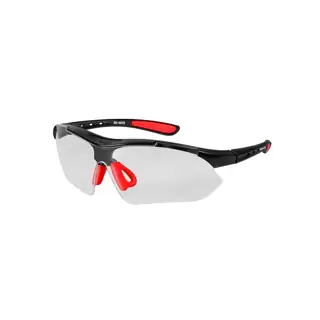
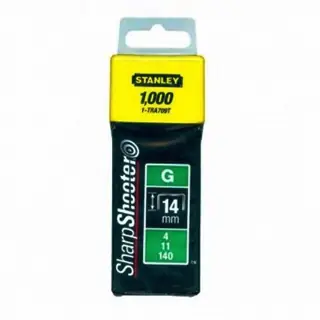
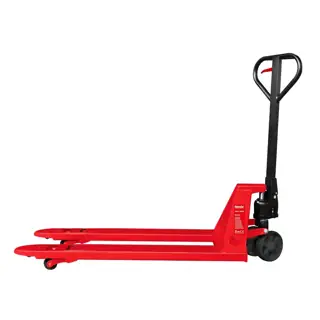
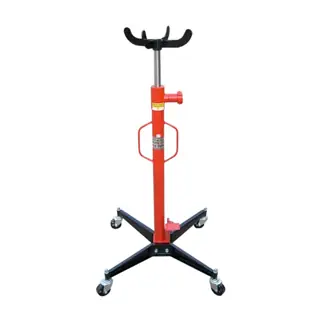
The model is simple: one supplier holds your recurring list — tools, PPE, MEP consumables, workshop items — at agreed prices, and delivers against consumption on a schedule or on call. Purchase orders collapse from dozens per month to a handful. Receiving, invoice matching and supplier evaluation all shrink with them.
For project work, the same supplier prices your BOQ lines from approved sources with material certificates, so site consumables and project supply run through one accountable channel instead of two parallel processes.
How to start without disruption
Start with the top 50 recurring items by frequency — not by value. These are the lines that generate the most POs and the most stock-outs. Agree prices and lead times on that list, run it for a quarter, then widen. Keep one or two specialist vendors for genuinely specialist items; consolidation is about the repetitive middle of your spend, not the exotic edges.
Working with BRO Global
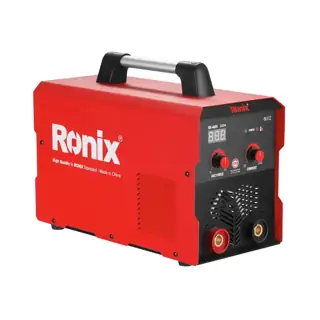
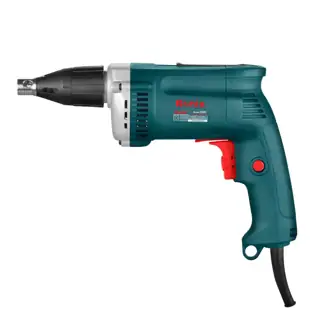
BRO Global consolidates industrial supply for factories, contractors and facilities across Saudi Arabia — tools and Ronix authorized distribution, PPE, MEP consumables and MRO items — with trade pricing, VAT invoicing and delivery to sites in all 13 regions. Send us your recurring items list and we will return consolidated pricing within 24 hours.