Quick answer
The best uniform fabric in Saudi Arabia depends on the job. Poly-cotton (often 65% polyester / 35% cotton) is the most balanced choice for most uniforms because it survives frequent washing, resists creasing and dries fast. 100% cotton is cooler in the heat and safer near heat sources because it does not melt, so it suits chef jackets. Piqué is the standard polo fabric, single jersey is used for T-shirts, and poly-viscose for suits and front-office uniforms. Flame or arc environments need certified flame-resistant fabrics, for example to EN ISO 11612.
Why fabric choice matters in Saudi Arabia
Summer temperatures in many Saudi cities pass 45°C, and staff move between air-conditioned and open areas all day. The wrong fabric means sweat and discomfort; jackets are left open or uniforms are not worn as intended.
Washing is the second factor: hospital, restaurant and factory uniforms are washed daily or several times a week, often in hot industrial laundries. Fabric that cannot take it fades and shrinks within weeks.
Cotton, poly-cotton, polyester and poly-viscose compared
Most uniform fabrics are blends of a few fibers. Knowing each one makes half the decision for you:
| Fiber | Strengths | Weaknesses | Best for |
|---|---|---|---|
| 100% cotton | Very breathable, soft, does not melt near heat | Creases, can shrink and fade faster | Chef jackets, T-shirts, hot conditions |
| Poly-cotton (e.g. 65/35) | Durable, resists creasing and shrinking, dries fast, good color hold | Less breathable than pure cotton | Most uniforms: scrubs, shirts, workwear, cleaning tunics |
| 100% polyester | Low cost, very durable, color-fast | Hot, traps sweat, melts near flame | Hi-vis vests and light items, not near heat |
| Poly-viscose | Smart drape and soft handle | Needs more care than poly-cotton | Suits, hotel front office, abaya-style uniforms |
Weaves and knits: twill, poplin, oxford, piqué, jersey
Woven fabrics are used for shirts, trousers and scrubs; knitted fabrics for polos and T-shirts because they stretch and breathe.
| Fabric | What it is like | Used for |
|---|---|---|
| Twill | Diagonal weave, strong, hides stains | Work trousers, coveralls, scrubs, chef jackets |
| Poplin | Smooth, light, slight sheen | Staff and front-of-house shirts |
| Oxford | Basket weave, slightly heavier, smart-casual | Corporate and showroom shirts |
| Piqué (single or double) | Textured knit that breathes; double is heavier | Embroidered polo shirts |
| Single jersey | Smooth light knit, also with Lycra for stretch | T-shirts and event wear |
| Interlock | Double knit, smooth both sides, heavier than jersey | Sportswear and more structured pieces |
Fabric weight (GSM)
Weight is measured in grams per square meter. Lighter is cooler but less durable; heavier lasts longer but is warmer. Typical market ranges — confirm on a swatch:
| Garment | Typical weight |
|---|---|
| Poplin staff shirts | about 110–140 g/m² |
| Single-jersey T-shirts | about 160–200 g/m² |
| Piqué polos | about 180–240 g/m² |
| Scrubs and light workwear | about 150–210 g/m² |
| Twill work trousers and coveralls | about 200–300 g/m² |
The right fabric by sector
A summary of what usually works best:
| Sector | Best fabric | Note |
|---|---|---|
| Hospitals & clinics | Poly-cotton twill or stretch poly-viscose scrubs | Hot-wash durability, one color per department |
| Restaurants & cafés | Cotton or poly-cotton chef jackets, piqué polos | Cotton is safer near heat; dark aprons hide stains |
| Hotels | Poly-viscose front office, poly-cotton housekeeping | Smart for guests, practical for physical work |
| Companies & government | Poplin or oxford shirts, poly-viscose suits | Color consistency across reorders |
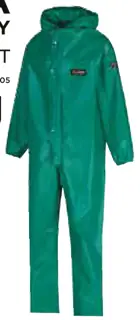
| Factories & contractors | Poly-cotton twill coveralls; FR fabric where flame is present | Safety first, then comfort |
| Cleaning & maintenance | Breathable poly-cotton | Mid-tone colors that hide stains |
| Delivery & transport | Piqué or jersey polos, twill cargo trousers | Reflective tape for road work |
Safety fabrics: flame-resistant and hi-vis
Where there is flame, molten metal or electric arc, ordinary cotton and polyester are not enough; you need flame-resistant (FR) fabric certified to a standard that matches the hazard, such as EN ISO 11612 (heat and flame), IEC 61482 (electric arc) or NFPA 2112 (flash fire). Ask for the certificate with the offer.
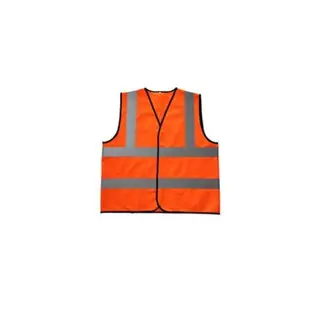
High-visibility clothing for work near vehicles and moving plant is classified under EN ISO 20471 into three classes by the area of fluorescent and reflective material.
Color, branding and a quick checklist
Mid and dark tones stay presentable longer than white in heavy daily use. Embroidery outlasts printing on frequently washed garments; large back prints suit visibility. Before approving: confirm the hazard, indoor or outdoor work, washing method, fiber, weave and weight, color on a real swatch, a washed sample, and written specifications for reorders.
BRO Global manufactures and supplies uniforms across Saudi Arabia and sends fabric swatches and a branded sample before production. Tell us the sector, headcount and garments, and we will recommend the fabric with the quote.